Examining a Troubling West Phoenix Shooting Incident
The recent shooting incident in west Phoenix has once again thrust gun violence and law enforcement procedures into the spotlight. In a case that appears both tangled and loaded with problems, local authorities responded to an incident that left a man seriously injured and a suspect with a self-inflicted gunshot wound. This editorial aims to provide an objective look at the event and offer insights into the legal and community implications following the incident.
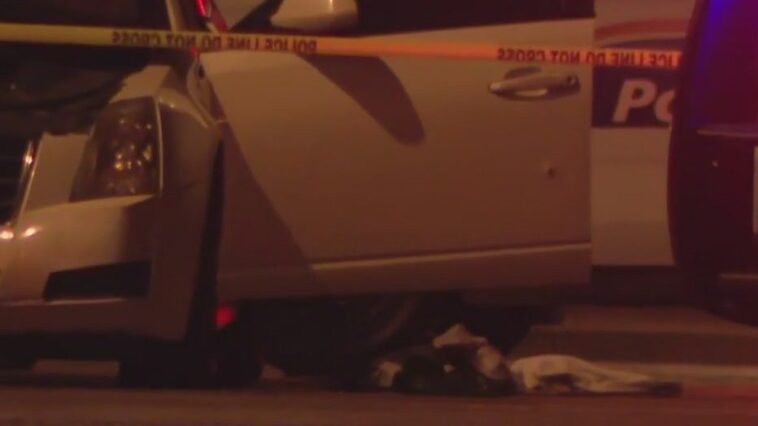
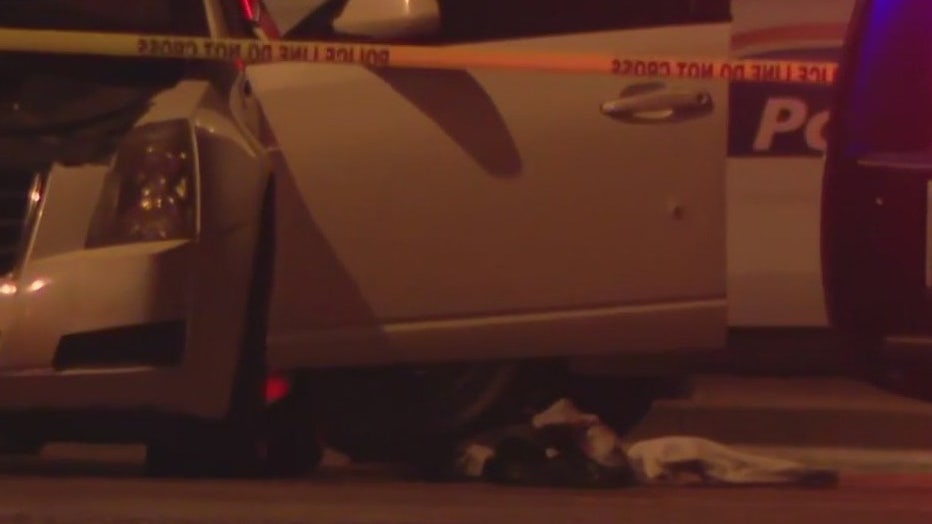
At around 10:45 a.m. on a late Friday morning, officers converged on two separate locations in west Phoenix. A distressing sequence of events soon unfolded: a suspect reportedly shot a man at an apartment complex near the Tolleson border, then turned his weapon on himself before driving away. The injured man was quickly transported to the hospital in critical condition, and the suspect was later found in a nearby parking lot. The gravity of the episode invites us to dig into the scene’s many tricky parts and to consider the broader legal questions that arise.
Community Impact and Initial Reactions
Incidents like these tend to send shockwaves through the affected communities, stirring a mix of emotions—from fear and disbelief to calls for accountability. Witnesses and residents in west Phoenix have been left processing the events, while local media outlets and legal experts work to make sense of the fast-moving developments. In the wake of the shooting, questions about police response times, the coordination of multiple enforcement agencies, and the handling of evidence have become essential points of discussion.
For many in the community, the event is not only a tragic reminder of the perils of gun violence but also an illustration of the complicated pieces inherent in investigating such crimes. Each detail—from the initial dispatch call to the subsequent discovery of the suspect—invites further inquiry.
Public Safety and Trust in Law Enforcement
Instances where suspects both harm others and themselves during a fleeing incident are not only nerve-racking; they also stir doubts regarding the adequacy of preventative measures in place. Residents naturally ask whether enough is being done to minimize such risks, and how law enforcement agencies can better steer through these challenging scenarios. The public’s faith in the authorities is crucial, and even the slightest misstep may undermine confidence in the system.
Legal professionals are quick to point out that while the twisted facts of this case are under investigation, the processes involved in securing and analyzing evidence have to be meticulous. In examining this situation, it becomes evident that the law enforcement community is constantly working to balance rapid response with due process—a balance made even more delicate by events that appear as a rapid sequence of actions following an initial act of violence.
Investigative Procedures and Legal Considerations
The handling of this case by police and legal experts also presents us with a chance to reflect on the investigative procedures employed following gun-related incidents in urban settings. The timeline, as pieced together by local law enforcement, showcases several puzzling twists and turns that may affect future policy formulations.
Timeline of Events and the Role of Evidence
Here is an outline of the major milestones as reported:
| Time | Event |
|---|---|
| 10:45 a.m. | Officers respond to an apartment complex near 99th Avenue and Lower Buckeye Road |
| Shortly After | A man with a gunshot wound is discovered and transported to a local hospital in serious condition |
| Following the Incident | The suspect, who had shot himself after firing at the victim, is later located in a QuikTrip parking lot near 99th Avenue and Van Buren Street |
| Investigation Ongoing | Authorities work to piece together the fine points of the case and secure additional evidence |
This timeline illustrates the quick switch between dynamic scenes—a scene at the initial location and subsequently at another location where the suspect was apprehended. Each step adds to the complicated pieces of evidence that investigators must sort out before they can establish motives, confirm the sequence of events, and determine any potential premeditation.
Legal Questions Surrounding Self-Inflicted Gunshot Wounds
One critical legal question emerging from this case is the treatment of self-inflicted injuries inflicted during a violent confrontation. Typically, in such scenarios, the self-infliction of harm complicates matters because it raises issues about the suspect’s mental state at the time of the incident. Did the suspect intend to avoid capture by harming himself? Or was the injury an unintended consequence of a rapidly unfolding situation?
These questions resonate through the legal frameworks that police and courts often count on to classify an act as either one of self-defense, a cry for help, or an act of deliberate self-sabotage. The presence of these weird and confusing bits often requires input from mental health experts, forensic analysts, and seasoned law enforcement officers working together to ensure a just result.
Evaluating Police Response and Tactical Considerations
Law enforcement agencies are consistently under the watchful eye of public opinion, more so when incidents evolve as quickly as the west Phoenix shooting. The investigation into how officers identified and apprehended the suspect can serve as a case study in the merits and limits of rapid crisis management within the legal framework.
The Tactical Challenges of a Fast-Moving Scene
Managing such an incident is inherently intimidating. Officers are often faced with several puzzling challenges, including:
- Securing multiple scenes that are geographically close but effectively distinct in terms of the evidence they hold
- Ensuring that witnesses provide accurate accounts despite quickly evolving circumstances
- Collecting and preserving evidence from a site that might be laden with dangerous variables
- Balancing the rapid rescue of injured individuals with the necessity of preserving the crime scene
These tactical challenges represent the twists and turns that law enforcement must navigate during public safety operations. The ability to quickly respond while managing the subtle details of the investigation highlights a broader conversation about training and resource allocation in departments faced with increasingly volatile situations.
The Importance of a Coordinated Multi-Agency Response
Another aspect to consider is how various agencies collaborated during the incident. Police forces, emergency medical personnel, and forensic teams each played a critical role. Such cooperation is super important to ensure that every aspect of the case—from medical emergencies to evidence gathering—is addressed concurrently.
When incidents like these occur, often there is a need for clear and efficient inter-agency communication:
- Coordination between local police and specialized forensic teams helps preserve crucial evidence.
- Emergency medical services must swiftly attend to injured parties while ensuring that essential evidence is not compromised.
- Internal investigations often follow, assessing the effectiveness of the coordinated response.
This clear delineation of roles can prove invaluable in minimizing public anxieties while ensuring that all investigative angles are thoroughly explored.
Exploring Broader Legal and Policy Implications
The behavioral pattern observed in this case—where a suspect hurt someone and then harmed himself—invites a larger discussion regarding legislation, mental health awareness, and preventive strategies. Each of these legal considerations carries its own set of tricky parts that lawmakers and community leaders must address.
Gun Control Debates in the Light of Violent Encounters
Gun violence is an ongoing challenge in many parts of the United States, and cases like the one in west Phoenix can intensify calls for strengthened gun control measures. The discussion now revolves around several small distinctions in current legislation:
- The ease of accessing firearms can lead to situations where matters quickly escalate into violence.
- Investigating police procedures and ensuring accountability in cases of self-harm and attempted evasion pose legal puzzles.
- Understanding the motivations behind such actions may call for a more comprehensive review of mental health support systems available to citizens.
Lawmakers are tasked with balancing public safety with individual rights, a process that is as intricate as it is essential. For many, the need for reform is rooted in the belief that stricter gun regulations could mitigate the risk of violent episodes while also fostering a safer community environment.
Policy Reforms and the Role of Preventative Measures
In response to the pressures of gun violence and the complications witnessed during crisis events, proposals for policy reforms often emerge. The steps outlined by legal commentators include:
- Enhancing background checks to thwart access to firearms by individuals with concerning patterns of behavior.
- Allocating more resources to mental health services so that early warning signs can be recognized and addressed before a crisis ensues.
- Improving training for law enforcement officers so they can better manage nerve-racking scenes and preserve the integrity of crime scenes.
Such measures are not without their own tangled issues, and the discussion requires a balanced view that takes into account individual freedoms alongside the collective right to live without fear. The legal system, at its core, must remain neutral and fact-based as it works to figure a path through these pressing societal challenges.
Mental Health Concerns and the Suspect’s State of Mind
An additional layer of the case’s complexity is the question of the suspect’s mental health. When a suspect both harms a victim and then inflicts a wound on themselves, it suggests a state of mind that might be influenced by stress, mental illness, or extreme duress. Experts suggest that understanding these internal mechanisms is key to both effective law enforcement response and compassionate public policy.
Determining Responsibility and Accountability in Self-Inflicted Injuries
In legal terms, when an individual’s actions blend aggressive behavior with self-harm, it creates a scenario rich with problematic twists and turns. Experts argue that:
- Assessing mental health must become integral to any criminal investigation involving self-inflicted injuries.
- Forensic psychologists and legal experts should work together to pinpoint whether the act was intended as self-defense, an act of desperation, or something else entirely.
- An objective analysis of the mental state during the event may influence not only the legal outcome but also long-term policy recommendations regarding mental health support.
While legal mechanisms exist to evaluate mental competency in criminal cases, the specifics of this case highlight a need to dig into the subtle details of an individual’s behavior before and after the incident. The interplay between mental health and law enforcement response is a super important aspect that policymakers and community advocates alike must consider.
Resource Allocation for Crisis Intervention
Another area demanding attention is how resources for crisis intervention and mental health care are allocated. Given that similar incidents can escalate rapidly into full-blown public crises, there is a strong case for increased funding and support. Considerations include:
- Provision of better crisis intervention training for law enforcement officers to ensure they can work through unpredictable and tense scenes.
- Development of community-based mental health programs that aim to de-escalate situations before they spiral into violence.
- Enhanced collaboration between emergency medical services and mental health professionals as first responders to such incidents.
These steps are critical for ensuring that when emergencies occur, the system is fully equipped to both handle the immediate aftermath and address the underlying issues that may have contributed to an incident. Clearly, maintaining a proactive stance on mental health can be a key component in reducing the number of violent episodes in the future.
The Role of Evidence in Shaping Legal Outcomes
In the evolving landscape of criminal investigations, the role of evidence—both forensic and testimonial—is a central pillar in determining legal outcomes. Every piece of evidence, from surveillance video to eyewitness accounts, serves as a small twist within the mosaic of truth that investigators must assemble.
The Process of Collecting and Analyzing Forensic Evidence
Collecting evidence in a shooting scenario such as this one is not a simple task. Investigators must manage the following challenges:
- Securing the crime scene immediately to prevent evidence tampering.
- Gathering physical evidence that includes bullet casings, blood samples, and fingerprints.
- Recording and preserving digital evidence from nearby cameras and cell phones.
- Interviewing witnesses who may have glimpsed the fleeting moments of the shooting event.
Each of these steps requires careful attention to the little details that, when taken together, help reconstruct a clear picture of the event. Close collaboration amongst forensic teams, police investigators, and even community volunteers can prove essential in ensuring nothing of significance is overlooked.
The Challenges Posed by Rapidly Evolving Crime Scenes
The incident in west Phoenix was complicated by the fact that the suspect moved quickly from the initial scene after inflicting harm. This rapid evolution of the crime scene adds layers of difficulty for those tasked with maintaining the integrity of the investigation.
The legal system must work with the evidence available, which sometimes includes:
- Physical traces that might have been inadvertently contaminated due to the suspect moving away quickly
- Digital recordings that may need to be synchronized with witness sightings
- The challenge of preserving the context of a crime scene that has now been split between at least two locations
These factors collectively underscore the importance of a meticulous approach to evidence gathering—a process that is critical if justice is to be served effectively and fairly.
Community Discussions and Media Portrayals
The widespread media coverage and the ensuing discussions in various community forums play an essential role in influencing public policy and perception. Social media platforms, local news outlets, and town hall meetings have all contributed to shaping the narrative around the west Phoenix incident.
The Impact of Media Coverage on Public Perception
Media coverage plays an influential role in forming public opinion regarding criminal incidents. Headlines, online articles, and social media posts all offer varying perspectives, some of which can be sensationalized. For instance, phrases like “suspect allegedly shoots man” become flashpoints for debate, with each account introducing small distinctions that may cloud the central facts.
It is essential that community members consider multiple sources of information before arriving at conclusions. Responsible reporting, which avoids overly charged language and provides a balanced perspective, is not just a matter of ethics but is super important for the maintenance of public trust. The media must simultaneously inform and educate, ensuring that viewers are not left with a skewed or overly dramatic interpretation of events.
Public Forums as Avenues for Constructive Debate
Local forums such as community meetings and online discussion groups have become common places for residents to share their concerns and suggestions. In these settings, the problematic twists of gun violence and rapid law enforcement response can be discussed openly. Key points often raised include:
- The balance between rapid response and comprehensive evidence gathering
- The need for better training programs and resource allocation for officials
- The importance of preserving public safety while also ensuring that individual rights are respected
Many in the community argue that these discussions are necessary to foster real change, and public policy should not be swayed by sensational headlines but grounded in thorough and objective analysis.
Lessons Learned from a Chaotic Scene
The unfolding events in west Phoenix serve as a stark reminder of how quickly a situation can transform from a routine call for help into an all-encompassing crisis. From the initial report of a shooting to the swift capture of the suspect, every moment of the day has provided law enforcement, policymakers, and community leaders with valuable lessons.
Training and Preparedness: A Look at the Officer’s Response
There are several key takeaways regarding the preparedness of first responders in high-pressure scenarios:
- Officers must be trained to secure multiple, rapidly evolving scenes without losing sight of the key facts.
- Quick thinking is essential when it comes to balancing the rescue of individuals with the need to gather evidence.
- Effective inter-agency communication plays a super important role in minimizing the consequences of chaotic incidents.
Reflecting on the actions that took place during this incident, it becomes clear that while there are questions to be raised about what could have been done differently, the steps taken by law enforcement do show a strong commitment to public safety. Continuous training and investment in resources are required to ensure that officers can make their way through such dangerous and tense moments while safeguarding both victims and the integrity of the investigation.
Community Preparedness and Crisis Response
The events of the day underscore the necessity for communities to develop emergency preparedness plans. Local governments and community organizations have a role in ensuring that residents know what to do and how to help when a crisis occurs. Key components of a successful community crisis response include:
- Clear, timely communication from law enforcement and emergency services
- Accessible mental health resources for those affected by trauma
- Community outreach programs that educate citizens on emergency procedures and conflict de-escalation techniques
Such measures not only help to defuse potentially overwhelming situations but also build a foundation of trust between citizens and the authorities who work to protect them.
Future Legal Challenges and Policy Adjustments
The case at hand is a stark example of how legal systems must continuously adapt to an ever-changing societal landscape. With each new incident, lawmakers are confronted with intricate puzzles that require adjustments in policy and the allocation of resources. As we take a closer look at this issue, several key areas emerge that will likely define future debates:
Reviewing Criminal Justice Policies Related to Gun Violence
Gun-related incidents have always presented complicated pieces for the criminal justice system. In the wake of this shooting, policy reviews are likely to focus on:
- Enhanced measures for safe firearm storage and control
- More rigorous background checks and accident history analyses
- Structured guidelines for handling incidents where there is a combination of assault and self-inflicted injury
By carefully sorting out these issues, legislators hope to reduce the frequency of such events while also producing a legal framework that stands up to scrutiny during investigations. These policy adjustments, while not a cure-all, represent tactical steps forward in reducing the human toll of gun violence.
Legal Incentives for Mental Health and Social Services Expansion
Another field that demands attention is the integration of mental health considerations into legal and social services. The incident’s apparent connection to self-inflicted harm underscores the need to:
- Strengthen partnerships between law enforcement and mental health professionals
- Offer incentives for community-based interventions that proactively support distressed individuals
- Create mechanisms whereby early warning signs can be identified and addressed before they lead to dramatic outcomes
The combined efforts of policymakers, mental health advocates, and legal experts are essential in creating an environment where preventive care is given the super important attention it deserves. Addressing these issues now can help to mitigate future tragedies and save lives.
Conclusion: Striking a Balance Between Justice and Compassion
The west Phoenix shooting incident is emblematic of a broader struggle—finding a balanced approach that satisfies the demands of public safety while also acknowledging the human elements at the heart of each case. The chain of events that unfolded on that fateful Friday is chock-full of challenging twists and turns. Yet, by taking a closer look at the tactical, legal, and social aspects of the incident, we can identify a way forward that champions both justice and compassion.
As the investigation continues and more details emerge, it is crucial for all parties involved—from law enforcement, legal experts, policy makers, to community leaders—to work together in addressing the tangled issues revealed in this incident. Ensuring accountability, advocating for better resources, and fostering a transparent process are essential tasks that will help to heal a community shaken by an event that was as alarming as it was unpredictable.
Ultimately, while the case remains under investigation, it serves as a reminder of the delicate balance required when addressing violent crime. The legal processes must be rigorous enough to ensure justice is served, even as the community seeks assurance that every precaution is taken to protect its members from further harm. As we reflect on these events, it becomes clear that the need to find your way through such situations—both in the courtroom and in our everyday lives—is a challenge that extends far beyond the confines of a single incident.
In a society where the stakes are high and the consequences of every decision can be life-altering, the path carved out by this case offers an opportunity for meaningful introspection and policy refinement. The complexities embedded within this incident remind us that while law and order are paramount, the human element should never be overlooked. It is imperative that decision-makers continue to work diligently to resolve these ambiguous moments with fairness, transparency, and a commitment to serving both justice and community wellbeing.
As we move forward from this event, the lesson is clear: a balanced approach that combines thoughtful legal scrutiny, effective crisis management, and a compassionate response to mental health issues can pave the way for a safer and more just society. Through continued dialogue, the sharing of knowledge, and the implementation of practical measures, we have the opportunity to turn a series of confusing bits and nerve-racking moments into a catalyst for positive, enduring change.
The unfolding story in west Phoenix, though still riddled with tension and unresolved questions, stands as a call to action for all stakeholders. By remaining vigilant, responsive, and empathetic, both the legal system and the community can work together to create an environment where every citizen feels protected, understood, and valued.
In closing, while details are still emerging and the investigation is ongoing, it is crucial for all involved—from policy makers to everyday citizens—to appreciate how far we have come and how much further we need to go in ensuring that justice is not only doled out fairly but that it also fosters healing and mutual understanding. This incident, complex as it is, should serve as both a warning and an inspiration to refine our approaches, making sure that when the next challenging event arises, our community is even better prepared to respond with both competence and compassion.
Let this editorial invite further conversation, encourage proactive measures, and promote a shared sense of responsibility as we continue to face the tricky parts and perplexing turns of public safety, legal reform, and community resilience in our modern society.
Originally Post From https://www.azfamily.com/2025/11/07/suspect-allegedly-shoots-man-turns-gun-himself-west-phoenix/
Read more about this topic at
West Phoenix shooting leaves 1 seriously injured; suspect …
3 suspects arrested in connection to Phoenix shooting that …